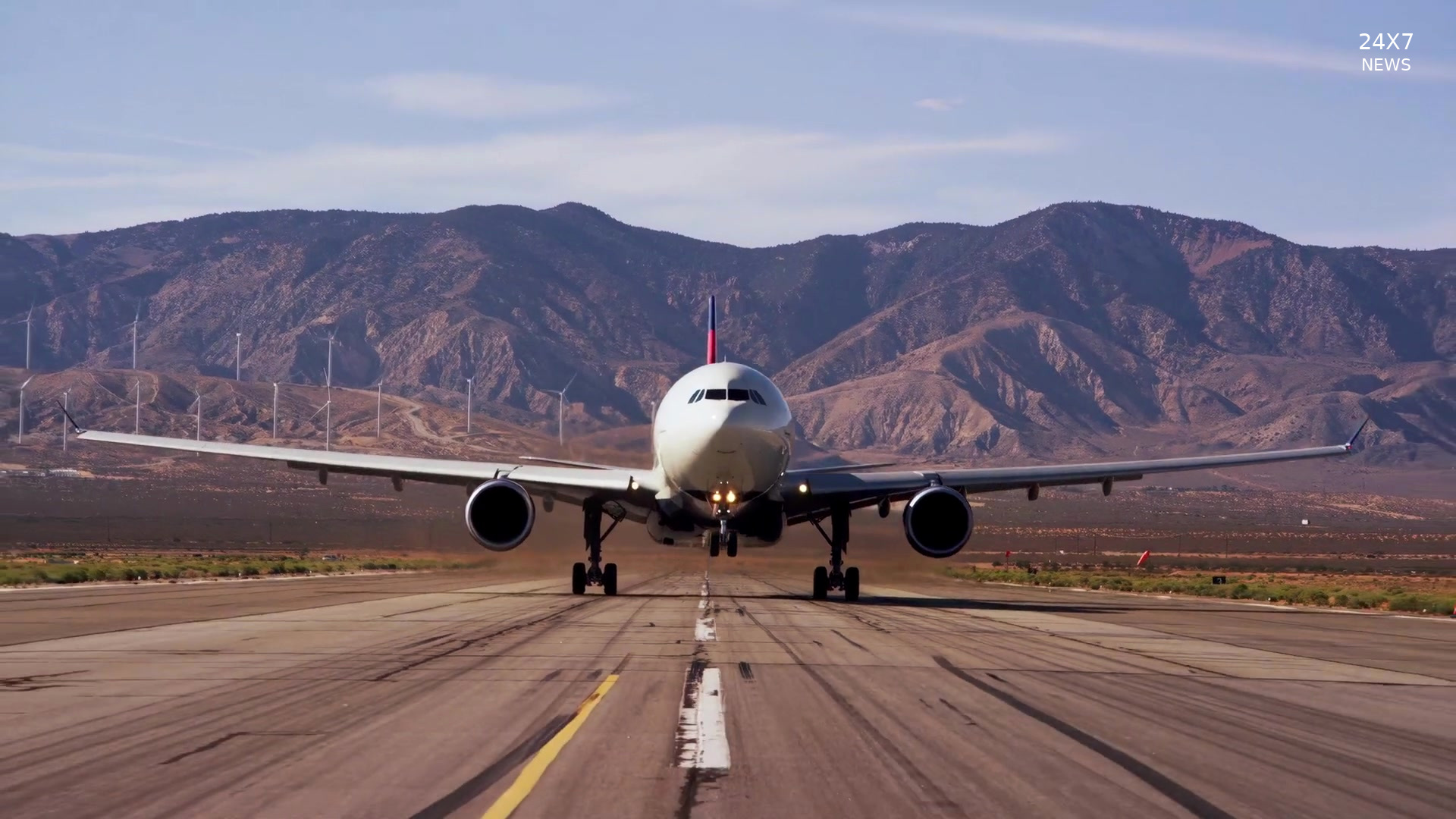
Delta Air Lines used manual procedures to dispatch flights Sunday, November 22, after a problem with its weight-and-balance automation disrupted departures at its Atlanta hub and elsewhere in the country.
The operational distinction matters for travelers: the Federal Aviation Administration said its own air-traffic systems were not responsible. This was an airline-system problem, rather than evidence of another nationwide failure of the infrastructure used by controllers.
Delta said crews were using manual workarounds while technicians worked to restore automation. The airline also coordinated with controllers to limit congestion around gates and aircraft movement areas in Atlanta.
A temporary ground stop was eased into a ground-delay program. Both restrictions were lifted before noon Eastern, according to reporting based on FAA advisories. Ending those traffic-management measures does not, by itself, establish that the airline’s software was repaired or that every affected departure returned to schedule.
A midday FlightAware snapshot put 48% of Delta flights in the delayed category. That is a time-specific observation, not a final total for Sunday or a prediction of how many flights will ultimately be canceled.
Weight and balance are linked but separate checks. The FAA’s handbook identifies aircraft weighing, accurate records and proper loading as essential parts of the process. Knowing the total load is insufficient if its distribution places the aircraft outside its approved balance limits.
The handbook explains that loading affects performance and handling, including climb capability and speed. That provides the reason these calculations remain part of preparing a departure even when automation is unavailable; the announcement of a manual workaround does not mean the underlying loading checks have been abandoned.
The disruption comes as Thanksgiving travel begins. Neither the removal of the temporary restrictions nor the midday delay percentage determines the status of a particular traveler’s flight.